

Flying into Las Vegas high above the Nevada Desert, the first thing you might notice is an enormous glowing orb towering over the famous Strip. That landmark is Sphere – the most advanced multimedia venue in the world.
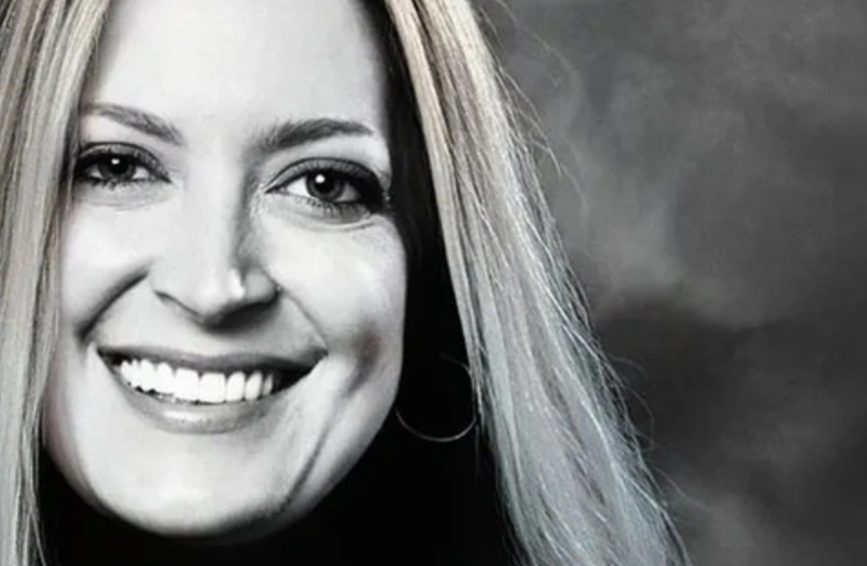
Programming content for such an impressive venue is no easy task – but that’s the job of Sphere Entertainment’s Head of Sphere Studios, Carolyn Blackwood.
Blackwood has had a celebrated career in the “traditional” entertainment industry, having served as President of New Line Cinema and Warner Bros. COO prior to joining Sphere Entertainment. But she’s never had a job quite like this one.
In the two years since starting at Sphere, she’s brought some incredible experiences to life, most notablythe immersive version of The Wizard of Oz at Sphere.
We spoke with Carolyn about what it’s like to tell stories at the biggest scale possible, and what’s in store for Sphere going forward.
JC TAYLOR: I want to ask about your career journey, because you’ve got decades of experience in the entertainment industry prior to Sphere. Can you tell me a little bit about your early career, and how your understanding of creativity and business has evolved since?
CAROLYN BLACKWOOD: My first job in the industry was in legal and business affairs at an independent film company called MDP Worldwide Entertainment, where I worked for Mark Damon. And the great thing about independent film is that since you have fewer resources to work with, you end up learning several disciplines regardless of what your designated area of expertise is supposed to be.
So, I learned distribution, I learned acquisitions, I learned film financing. And I learned how a studio operates, even if it was at a small scale. When you do it that way, you gain an appreciation for the importance of everybody’s role and how it all fits together. Every project that actually gets made is a mini miracle, so I had a real respect for the process and the multitude of decisions that come together to make a film. I recommend this to people all the time who are thinking about careers in entertainment: “If you can start out in independent film, start out in independent film.”
JC: In the past 10 years, we’ve seen a massive shift in how audiences engage with entertainment. How have you dealt with that?
CB: One of the things I’ve learned is that it’s always about the audience. If you put the audience first, the form of distribution isn’t as important. I became less concerned about whether we were going to see this at an arthouse theater, or on a plane, or in IMAX, or on their couch. I think first about “what are we creating?” and “what does the audience want to experience?”
Now that I’ve pivoted into this new environment with Sphere, it’s still about the audience, but I am focused on what their experience is going to look like in this specific, amazing, immersive venue. In a way it’s been liberating, because we’re building an experience with one specific venue in mind.
